The 'downgrade' that gave me my life back

It was 4 AM. I was still in my car.
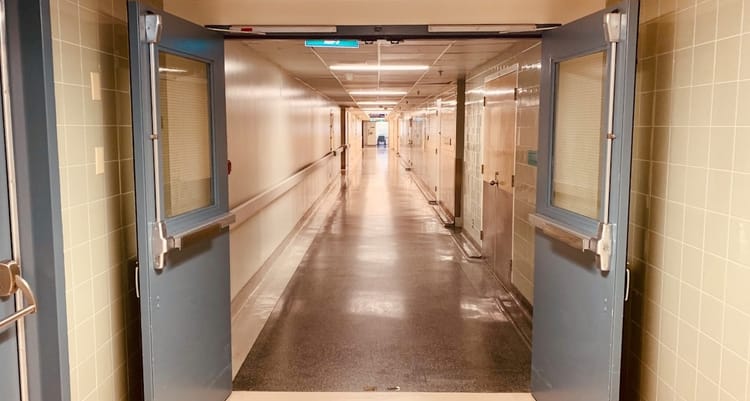
Not returning from emergency surgery. Not racing to save a life. I was stuck in a Chennai traffic gridlock, trying to pick up my wife and son. Nothing was moving. Not an inch. The city had simply frozen — as it does, as it will keep doing — and I sat there for hours while my family waited somewhere across town.
This is the metro experience nobody warns you about. Not the surgeries. The gridlock. The hours of your life bleeding into traffic that doesn't care about your degree.
That night I started questioning everything I'd been taught about building a surgical career.
You've heard the advice. We all have.
"Start in a metro. Build your skills. The money will follow."
"Chennai, Mumbai, Delhi — that's where the serious surgeons go."
"You can always move to a smaller city later, once you've made a name."
It sounds logical. It sounds like wisdom passed down from seniors who made it. And so we follow the path, thousands of us, cramming into metro hospitals, accepting starting salaries that wouldn't impress a call center employee, telling ourselves this is temporary.
I told myself the same thing in 2004.
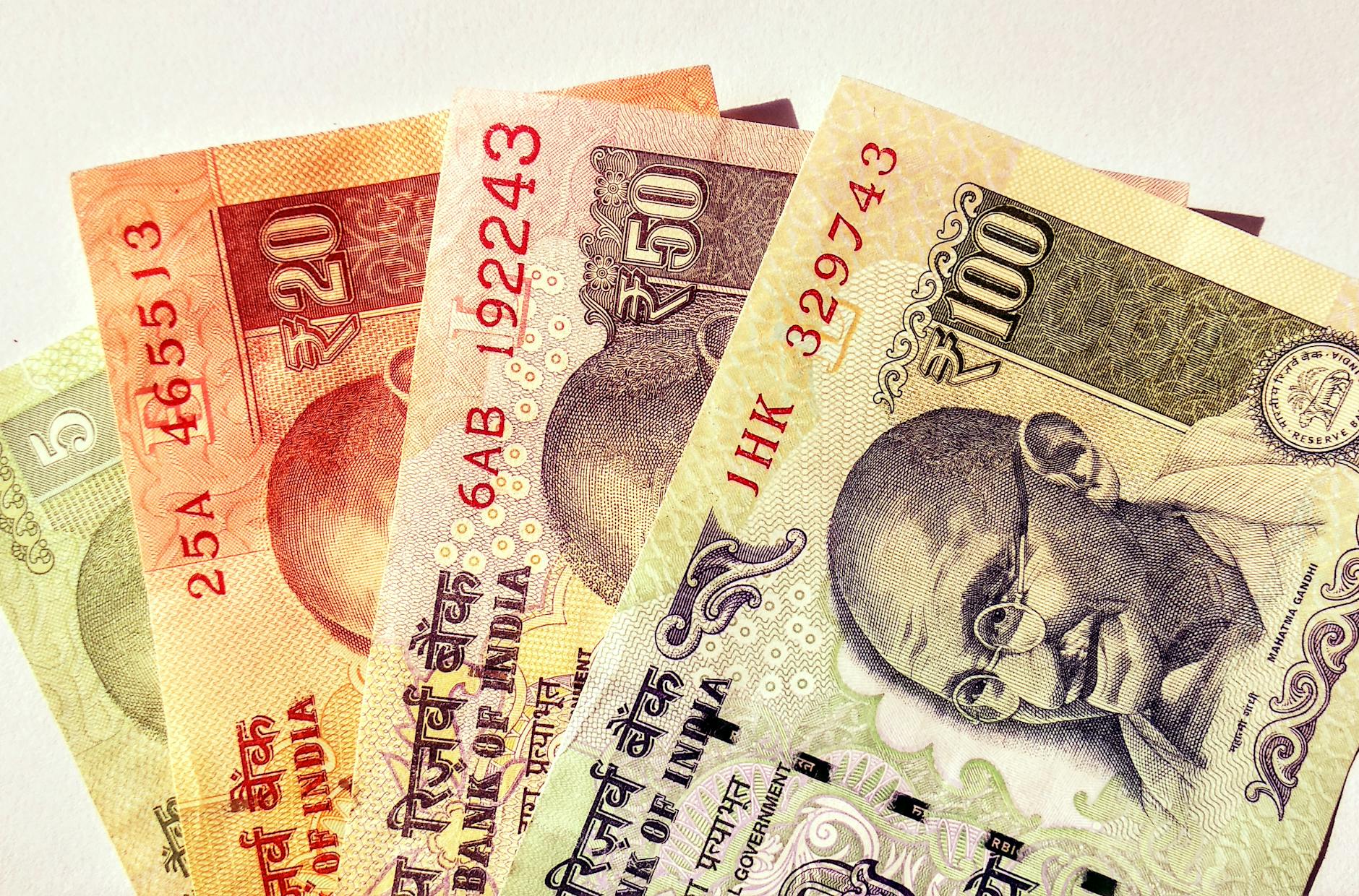
My first metro salary was ₹16,000. Rent was ₹5,000 — exactly one third, which is the ratio they tell you to aim for, as if the ratio matters when the absolute numbers mean you're choosing between savings and dinner. Transport costs in Chennai were brutal. Food was expensive. I remember calculating what remained at the end of the month and wondering how this qualified as "making it."
But I stayed. Because metros are where serious surgeons go. Because my parents could tell their friends their son was operating in Chennai. Because leaving would mean admitting I couldn't cut it.
That's the trap. Not the traffic. Not the rent. The story we tell ourselves about what success looks like.
Before Chennai, I worked in Perinthalmanna.
You've probably never heard of it. Most people haven't. It's a tier-3 city in Kerala — "just four roads meeting together," as I used to describe it. A hospital town where Gulf money flows in and life moves slowly.
My mentor there was Dr. Mohan Kumar. Excellent surgeon. Brilliant. Quick. The kind of operator who makes complex cases look routine. He taught me more in that small town hospital than any metro institution ever would.
Here's what I remember most: my rent was one fourth of what Chennai would later cost me. I walked to the hospital. No vehicle, no fuel costs, no hours lost to traffic. My wife was earning too. We had a large house. On weekends, we'd take long drives along those beautiful green pathways that Kerala does better than anywhere else.
"A little boring at times," I'd tell people. "But we saved money."
I said it like saving money was a consolation prize. Like financial security was what you settled for when you couldn't get the real thing — prestige, recognition, a metro address.
It took me fifteen years to understand how backwards I had it.
The metro trap works because it attacks your identity before it attacks your wallet.
You don't arrive in Chennai or Mumbai thinking about effective hourly rates. You arrive thinking about becoming someone. A surgeon who trained in the big city. A specialist with serious credentials. Someone your batch mates will respect at reunions.
And so you accept the numbers that don't make sense.
I calculated my effective hourly rate only after I'd left medicine's traditional path entirely, when I started learning about entrepreneurship and saw how software engineers thought about their time. When I finally did the math on my own career — including the off-hours work, the on-call time, the hours spent in traffic that should have been spent with family — the number was embarrassing.
Less than my driver earned per hour. More education, more debt, more sacrifice — and I was losing the hourly rate comparison to someone who'd never set foot in a medical college.
Society doesn't see this. Society has no recognition that doctors need time for families, for managing their finances, for the occasional vacation. WhatsApp and Telegram mean we're expected to be on call all the time now. Every boundary we try to set gets painted as greed or laziness.
"If you don't pay well," I've started telling people, "nobody's going to be a doctor anymore."
They pay singers and dancers more than they pay us. And we're supposed to feel grateful for the privilege of service.
The prestige tax compounds faster than any investment.
In Chennai, I started in a cheaper locality. Not the kind of place where doctors lived, apparently. We could afford it, which should have been the point, but I stopped inviting friends over because I was embarrassed by our "nook and corner house."
Eventually, we moved to Srinagar Colony. The posh locality. The one where doctors are supposed to live. Rent jumped from ₹16,000 to ₹22,000 — though by then I was earning over a lakh, so the ratio stayed the same.
That's how lifestyle inflation works. The ratio stays constant while the absolute numbers drain you.
Then came the car.
We'd been managing with my wife's Kinetic Honda. People started making comments. "You need a car." "You can't be a doctor on a two-wheeler." We couldn't afford one, so her brother gifted us an Alto — a new car, small but functional. She couldn't keep moving around Chennai in the hot sun. Fair point. Chennai is a concrete jungle. Absolutely no trees on the roads. The infrastructure actively punishes you for existing.
That Alto would later drown in a cyclonic flood. Chennai gets hit by cyclones in November and December — not the monsoon that drenches the rest of India, but something worse. We were trapped in our flat at Srinagar Colony, water rising to the first floor, watching our car become unusable. Another metro gift.
Then came the malls. Ordinary shops weren't good enough anymore. Mall shops charge premium prices for the privilege of air conditioning and the illusion of status.
We earned more. We spent more. And savings? Savings were much lesser.
I protected one thing through all of it. One line I wouldn't cross.
"Whatever said and done, I would compromise on everything else but not on the SIP."
₹1,000 to ₹2,000 per month, starting in 2009 after my mentor gave me a 50% hike. I used Value Research, Mutual Fund Insight magazine, Funds India. The 2008 crash had just happened, which meant 2009 was actually a good time to enter. I didn't know that then — I was just desperate to build something, anything, that metros couldn't consume.
That SIP discipline is the only reason I'm not still trapped today.
Here's the calculation nobody does before choosing a metro.
Take your monthly take-home. Subtract rent, transport, food, EMIs, the thousand small expenses that metros create. Divide what remains by the actual hours you work — not the hours on your contract, but the real hours, including on-call, including the commute that eats your mornings and evenings, including the administrative garbage that corporates dump on junior surgeons.
That's your effective hourly rate.
A metro surgeon earning ₹80,000 monthly, working 100-hour weeks? That's ₹200 per hour.
A tier-2 surgeon earning ₹50,000 monthly, working 60-hour weeks? That's ₹208 per hour.
The tier-2 surgeon earns more per hour of life spent. Works fewer hours. Saves more money because tier-2 expenses are half or less. And somehow, we've convinced ourselves this person is "less successful."
My friends who chose Mysore over Bangalore see it clearly now. "Expenses are far far lesser." They say it like it's a secret they discovered, when really it's basic arithmetic that medical school never taught us to do.
I considered leaving Chennai. Going back to Guwahati — tier-2, my native town, where my parents lived, where establishing a practice would have been easier because everyone already knew my family.
But my wife was attached to the south. The facilities. The schools. The familiarity.
And here's what haunts me about that period:
"Finance was among the last consideration about any decisions we take. And that was the saddest."
We talked about traffic. We talked about convenience. We talked about the kids. We never talked about the numbers that actually determined whether we'd achieve financial freedom or spend our lives running to stay in place.
Financial literacy wasn't part of the conversation because we'd never been taught to make it part of the conversation. Medical school trains you to think about patient outcomes, surgical technique, clinical excellence. It never teaches you to think about your own effective hourly rate, your savings rate, your wealth accumulation trajectory.
So we make decisions that look reasonable on every dimension except the one that matters most.
The year 5 trap is real.
By year 5 in a metro, most surgeons have accumulated EMIs that make leaving impossible. Housing loan in a "good locality." Car loan because walking is for residents. Credit cards maxed out covering the gap between income and lifestyle. Maybe an entrepreneurship venture that didn't work out — mine was with a plastic surgeon friend, and when it failed, everything came crashing down.
That's when you realize the exit door has closed.
Not because you can't physically leave. You can always pack a bag. But because the financial commitments you've accumulated in a metro are calibrated to metro income. Take that income away — even temporarily, even for a transition period — and the whole structure collapses.
You're not staying in the metro by choice anymore. You're staying because you can't afford to leave.
I made the move everyone said was backwards.
Muscat. A city that's "more like a tier-2 city of India," as I tell people. Modern in some ways, limited in others. Certain facilities that metros have aren't available here. But certain things are far better than metros could ever offer.
Traffic is manageable. Roads are better. Housing is affordable. The pace is calmer, cooler. I earn better here than I ever did in Chennai. I save far more — not just because income is higher, but because expenses don't consume everything the moment it hits my account.
I started running. Trail running. Planning races outside Muscat. Cologne Glasgow, Salzburg, Budapest, Montreux - places I traveled to not just tour but for my races. Something I would have never imagined from Chennai. I started writing articles for magazines and newspapers — have a column now. I draw and paint with my son. I spend time on things I never had time for because in Chennai, most of my time went to traveling to work.
From the outside, it looks like a downgrade. Metro surgeon moves to smaller city. Couldn't make it in the big leagues. Career stalled.
From the inside? In the financial sense, I was much more well settled. Though I made the downgrade, that's what's amazing about this downgrade.
I built a corpus of funds. I got confident enough to move into equity. I learned online, constantly. I started outputting creativity instead of just consuming stress.
The "downgrade" gave me my life back.