Brilliant hands, broken life: the trap nobody warned you about
Subject Line: Brilliant hands, broken life: the trap nobody warned you about
Four surgeons. Same hospital corridor. I watched all four collapse in the same year. Not in the operating room. Outside it.
The first diagnosed hypertension in 14 patients last month. His own blood pressure? Unchecked since 2023. He pops antacids between cases, skips lunch four days a week, and hasn't slept 7 hours straight in so long that he's forgotten what rested feels like. He's 47. He counsels patients about lifestyle changes while his own body runs a deficit he never audits. Last quarter, he had a cardiac scare. Spent two nights in the ICU of the hospital where he operates. Nobody was surprised except him.
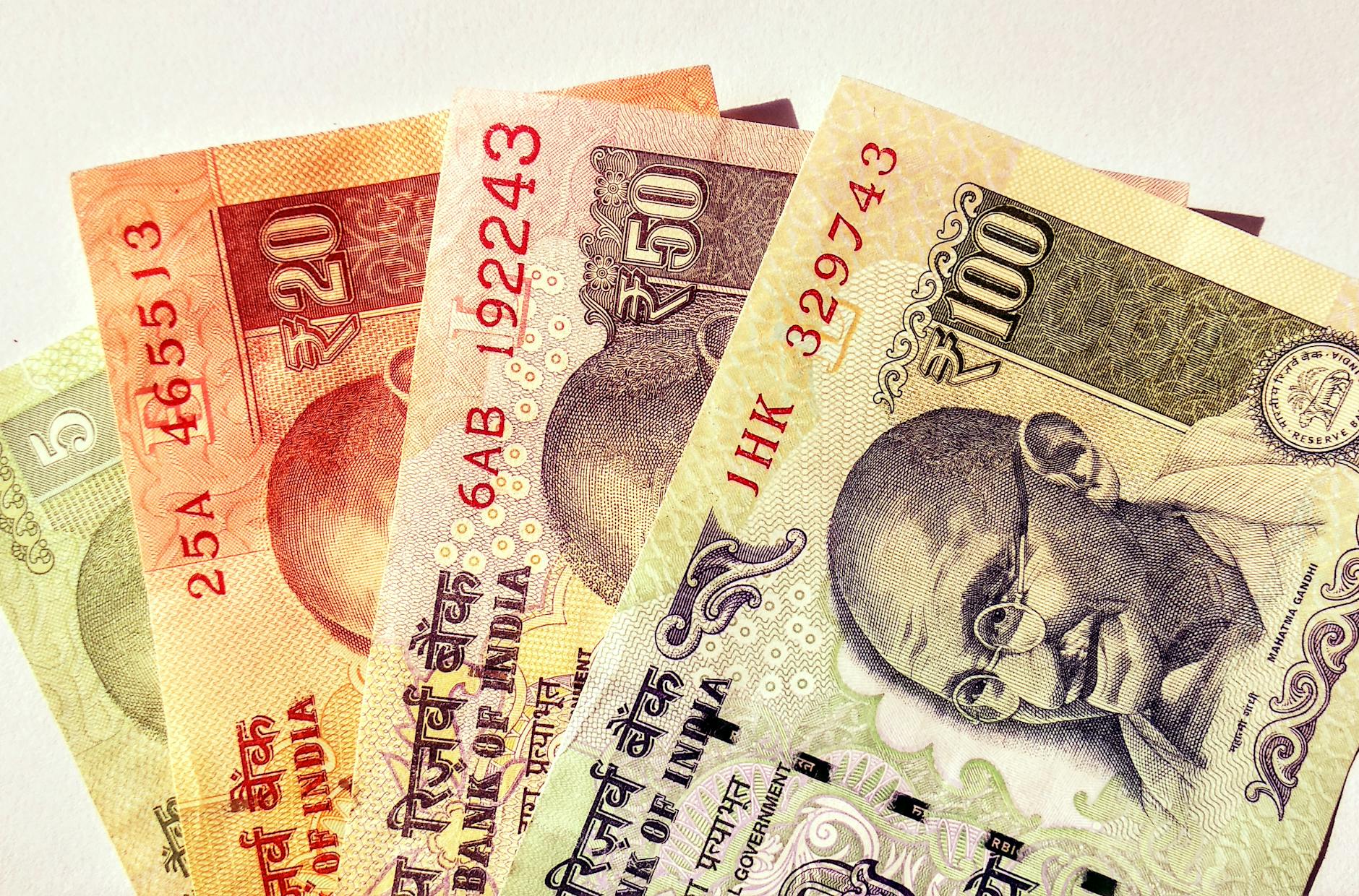
The second takes home ₹35 lakhs a year. Three loans running. An apartment EMI that swallows 65% of his salary. A credit card balance he rolls over every month, paying the bank 18% interest — while the mutual fund he never started would have earned him 12%. Instead of his money compounding for him, it compounds against him.
It started small. ₹5,000 borrowed from a colleague before payday. ₹3,000 for a bill he'd forgotten. Amounts he should have covered from his own income. But unless you label taking credit as a failure, the habit doesn't stop. It grows. From rotating small loans to stacking EMIs to selling land for his daughter's education because he never built a corpus for the life-stage events he always knew were coming.
The third missed his daughter's annual day function for the fourth consecutive year. She's 9. She's stopped asking if he'll come. His wife packs his dinner and leaves it on the counter without a word — the silence that replaced the arguments, which were at least a sign she still cared enough to fight. He tells himself she knew what she married into. She did. She didn't know she'd be raising their children alone.
The fourth retired eight months ago. Twenty-six years of operating. Flawless record. Empty days. He calls his former registrar every morning — not for a case discussion. For someone to talk to. No painting. No writing. No running. No pursuit he built alongside surgery. His identity walked out of the OR with his last case, and nothing was standing on the other side.
Four surgeons. Four dimensions. Four collapses. You've seen them too. You might be becoming one of them.

I know because I lived it. In Chennai, my finances collapsed. I was one-dimensional — surgery and patients occupied every waking hour, and I assumed the money would sort itself out because I was earning. It didn't sort itself out. It never does. I was generating revenue, building a reputation, operating well, and going backwards financially. Not because I wasn't earning enough. Because I hadn't built a single system to manage what I earned. No SIP. No term insurance (I bought mine only because a bank forced it during a loan application). No corpus for life-stage events. No retirement plan beyond a vague hope that "things will work out."
Things don't work out. They get designed or they collapse. Mine collapsed.
I changed everything. Left my group practice. Left the hospital. Left the city. Left the country. Went to Muscat. Rebooted from zero. Some people called it reckless. I called it the first intelligent decision I'd made about my own life in 15 years. Because until that point, every decision I'd made was about my patients' lives. Not mine.
The one-dimensional trap
Here's what nobody teaches you in medical school, in residency, in fellowship, in any of the 12-15 years you spend learning to be a surgeon: surgical excellence creates infinite demand. The better you get, the more cases come. The more cases come, the more time they consume. The more time they consume, the less remains for everything else. Your life shrinks to one dimension while the other three quietly bleed out.
And the system calls this dedication.
It's not dedication. It's design failure. MBBS: zero hours on financial planning. MS: zero hours on relationship management. MCh: zero hours on building an identity beyond the scalpel. Twelve to fifteen years of training, and at the end of it, the system hands you a one-dimensional operator and calls you ready.
Ready for what? Ready to diagnose diabetes in 200 patients a year while your own HbA1c goes unchecked for three years. Ready to counsel patients on stress management while your own marriage crumbles. Ready to prescribe exercise routines while your own back gives out from 14-hour days standing at the table. In treating sick people, doctors themselves turn sick. We call it an occupational hazard. It's actually a curriculum failure.
43.2% of physicians reported burnout in 2024. Surgeons rank in the top five specialties. But burnout isn't a single-dimension problem. It's the visible symptom of all four dimensions failing simultaneously — health deteriorating, wealth stagnating, relationships eroding, and identity shrinking to a single professional role. Treat burnout as a health problem and you miss the architecture underneath.